
Blog
8 June 2026

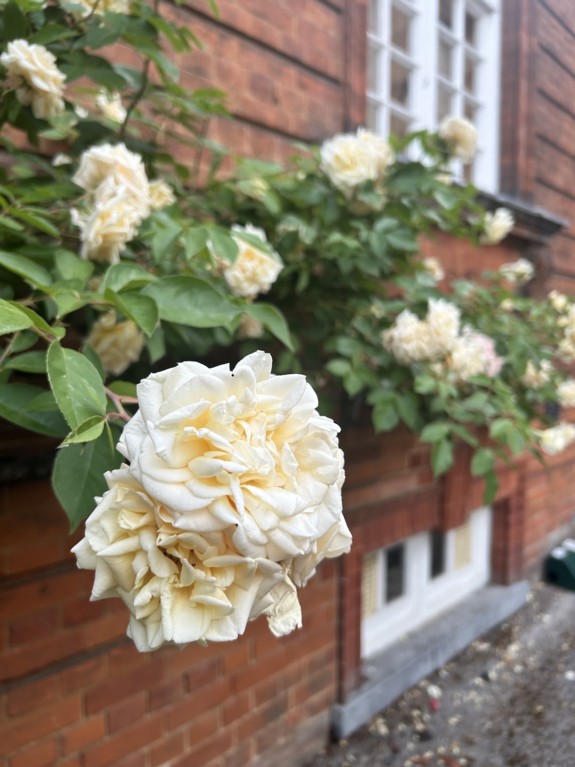
June has brought a welcome change in fortunes for the College gardens after what felt like an exceptionally long spell of hot, dry weather. Throughout much of late spring and into early summer, the gardens experienced prolonged periods without significant rainfall. While the sunshine was enjoyed by many, the dry conditions placed increasing pressure on lawns, borders and newly planted areas, with the grass beginning to lose much of its usual vibrancy and colour.
Thankfully, the weather pattern eventually shifted, and the past week has delivered a succession of heavy showers along with some much-needed, steady rainfall. The difference has been remarkable. Across the College grounds, the lawns are already responding, with fresh green tones returning as soil moisture levels recover. It is always encouraging to see how quickly the landscape can revive when given the right conditions.
The rainfall also arrived at an ideal time for our lawn care programme. We had recently applied an organic fertiliser to the lawns, a treatment that relies on moisture to wash the nutrients into the root zone where they can be most effectively utilised. The recent rain has done exactly that, helping the fertiliser begin its work naturally and reducing the need for supplementary irrigation. Over the coming weeks we expect to see stronger growth, improved colour and greater resilience across the turf areas.
Elsewhere in the gardens, the combination of warmth and moisture has accelerated growth considerably. Herbaceous borders are beginning to reach their peak, summer bedding displays are establishing well, and the trees and shrubs continue to put on strong seasonal growth. As always, regular maintenance remains essential at this time of year, with weeding, pruning and mowing keeping the gardens looking their best for Fellows, students, staff and visitors alike.
As we move further into summer, we hope for a more balanced mix of sunshine and rainfall. The recent showers have provided a valuable boost, and the gardens are already looking healthier and more colourful as a result.

This month we are also delighted to welcome Matilda Downs to the Gardens Department. Matilda joins us as Emmanuel College's Garden Apprentice for 2026–2027 and will be with us for the next 20 months. As part of the Cambridge Colleges Apprenticeship Scheme, she will combine practical, hands-on training in the College gardens with one day each week of formal study at King's College Cambridge.
Apprenticeships play an important role in the future of horticulture and the wider gardening profession. They provide an opportunity for aspiring gardeners to gain practical experience while studying towards recognised qualifications, developing both technical knowledge and workplace skills. For employers, apprenticeships help to nurture the next generation of horticultural professionals, ensuring that valuable skills, expertise and traditions are passed on. They also bring fresh perspectives, enthusiasm and new ideas into the workplace.
At a time when the horticultural industry continues to face skills shortages, apprenticeship schemes offer an invaluable pathway into the profession and help secure the future of gardens such as our own. We look forward to supporting Matilda throughout her apprenticeship and helping her develop her skills and experience over the coming months.


Supporting the development of the next generation of horticulturists extends beyond Emmanuel College itself. Last month, I was delighted to serve as a judge at the Grand Final of the Chartered Institute of Horticulture's Young Horticulturist of the Year competition. This year's final was held in Rochdale, within the magnificent Gothic surroundings of Rochdale Town Hall, providing a fitting venue for one of the profession's most prestigious competitions for emerging talent.
The competition showcases some of the brightest young minds in horticulture, and it is always inspiring to see the enthusiasm, knowledge and dedication demonstrated by the finalists. I feel immensely proud to play a small part in supporting the development of young people within our profession, both at a national level through initiatives such as the Young Horticulturist of the Year competition and locally through opportunities such as our apprenticeship programme here at Emmanuel.
The Chartered Institute of Horticulture plays a vital role in promoting professionalism and excellence across the industry. My involvement with the Institute provides valuable opportunities to engage with and learn from some of the country's leading horticulturists, exchanging ideas, experiences and best practice. These professional networks are enormously beneficial, providing support, inspiration and confidence that I can bring back to my role as Head of Gardens and Landscapes at Emmanuel.
The knowledge and connections gained through these professional relationships ultimately benefit the entire Gardens Department. They help us maintain high standards, stay informed about developments within the industry and, importantly, provide the best possible support and guidance for colleagues and apprentices as they develop their own careers in horticulture.
Professional development remains an important part of life within the Gardens Department, and this month Sally MacKenna spent three days at the renowned Beth Chatto Gardens undertaking specialist training in plant propagation. The course provided an excellent opportunity to develop new skills, refresh existing knowledge and learn different approaches to propagation techniques from experienced horticultural professionals.
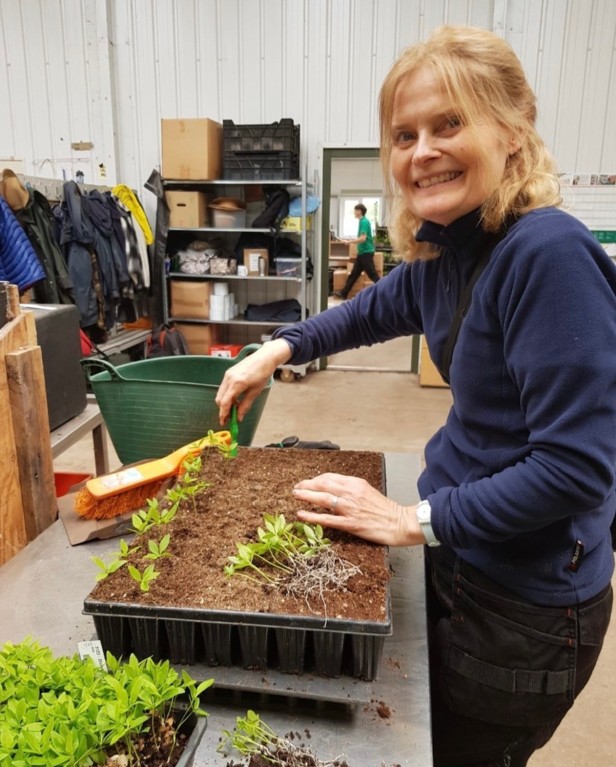
One of the great benefits of continuing professional development is that the knowledge gained does not remain with just one individual. The skills and techniques Sally has learnt can be brought back to Emmanuel and shared across the team, helping to broaden our collective understanding and encouraging discussion about different methods and approaches. In this way, investment in one team member benefits the whole department and ultimately the gardens themselves.
As Head of Gardens and Landscapes, I strongly encourage all members of the team to continue learning, regardless of where they are in their careers. Horticulture is a profession in which learning never truly ends. New research, changing environmental conditions, evolving cultivation techniques and the sheer diversity of plants mean there is always something new to discover. Whether someone is at the beginning of their horticultural journey or has decades of experience, there is always value in developing new skills and expanding existing knowledge.
By embracing opportunities for training and professional development, we ensure that the Gardens Department continues to evolve, maintaining the highest standards of horticulture while bringing fresh ideas and best practice into the management of Emmanuel's beautiful gardens and landscapes.
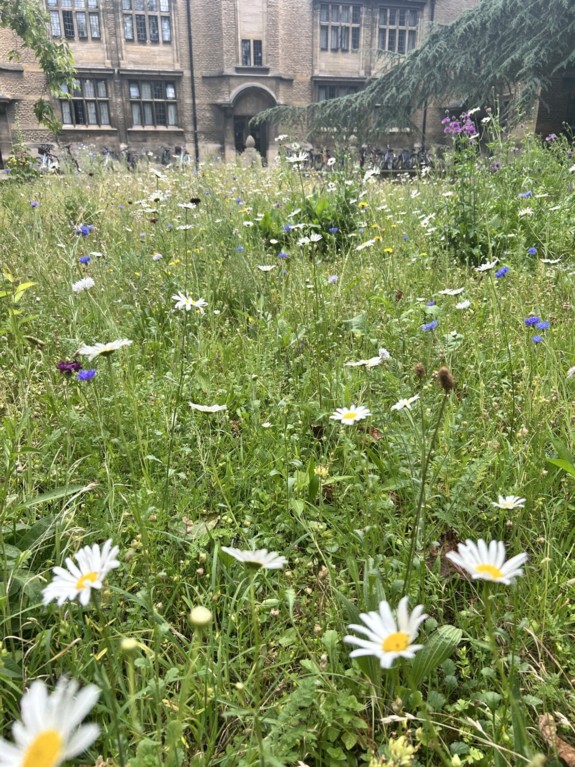
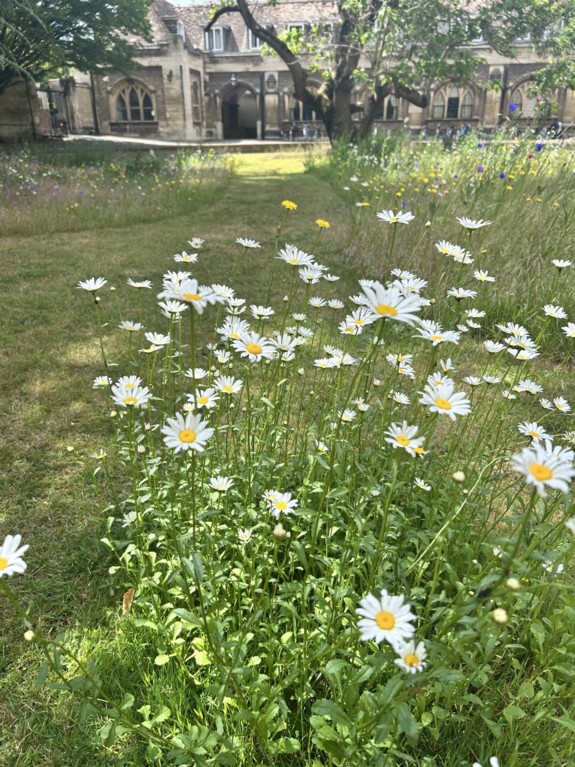
June is also a transitional month in the gardens. Much of the excitement of spring has now passed, with the bulb displays fading and the meadows completing their peak flowering period. While these seasonal highlights are coming to an end, attention now turns towards the grandeur and majesty of the summer borders, which are beginning to build towards their finest display of the year.
This period requires a degree of patience from both gardeners and visitors alike. As tempting as it can be to tidy everything away immediately, much of the spring foliage still has an important job to do. The leaves of daffodils, tulips and other spring bulbs must be allowed to die back naturally before they are removed. Although this can sometimes create a slightly untidy appearance, it is an essential part of the plant's lifecycle.
The fading foliage continues to photosynthesise, capturing sunlight and converting it into energy which is stored within the bulb. These reserves provide the resources needed to produce healthy growth and flowering displays next spring. By allowing the foliage to mature fully before cutting it back, we help ensure that next year's display is every bit as impressive as this year's.
Gardening often teaches the value of patience, and nowhere is that more evident than during June, when we balance the remnants of spring with anticipation for the spectacular summer displays still to come.
.jpg)