
Blog
7 July 2026

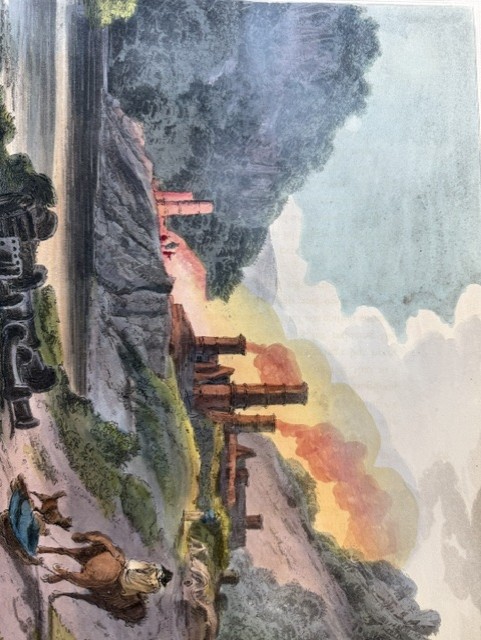
Plate 1. 'Iron Works, Coalbrookdale', in P. J. de Loutherbourg, 'The Romantic and Picturesque Scenery of England and Wales' (London, 1805).
Rather a lot has been heard in recent weeks about ‘the North’, although many might retort: ‘Only not my bit of the North’. Indeed, apart from the stereotype of the North as defined by industrialized and now post-industrial conurbations – ‘It’s grim up north,’ etc – there has always been a variety of perceptions of the North of England. This is reflected in images of the North in Emmanuel’s collection of illustrated books. These pre-date the onset of heavy industrialization, but are alert to its beginnings in their time. There is wistful recording of destruction of old buildings and old ways in ancient towns, and the cult of the Lake District is already well under way, with books illustrating scenery in Cumberland, Westmorland and parts of Lancashire. The contemporary quest for the picturesque and the sublime begins to find inspiration in the North’s rugged upland scenery elsewhere than the Lakes. Yorkshire is illustrated, but there is little as yet on Northumberland or Durham.
Perhaps because of its early date, a book on the environs of Manchester focusses on distant views of towns and country houses. In its general prospect of Manchester itself the urban skyline is only faintly visible in the distance, framed by trees.
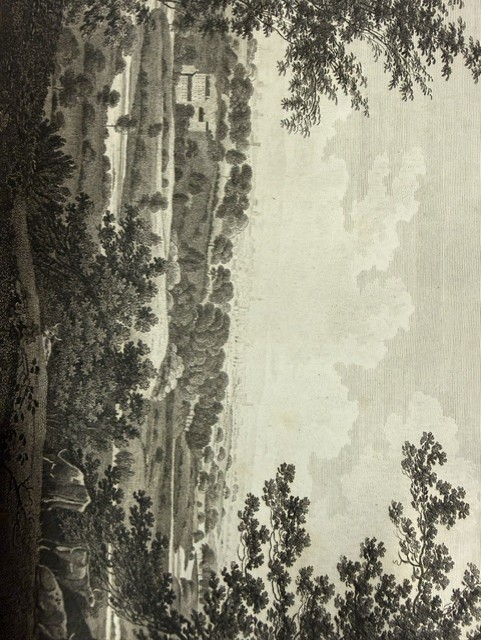
Plate 2. 'View of Manchester', in J. Aikin, 'A Description of the Country ... round Manchester' (London, 1795).
However, a justly celebrated book illustrating the costume of Yorkshire includes the blighted landscape of coalmining. Another plate shows child workers – their faces blue-grey – in front of a mill with a chimney belching smoke into the sky.
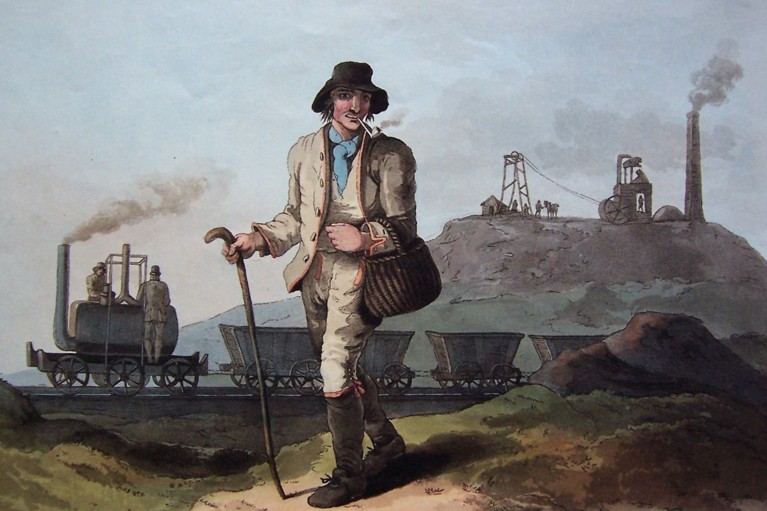
Plate 3. 'The Collier', in Graham Walker, 'The Costume of Yorkshire' (London, 1814).
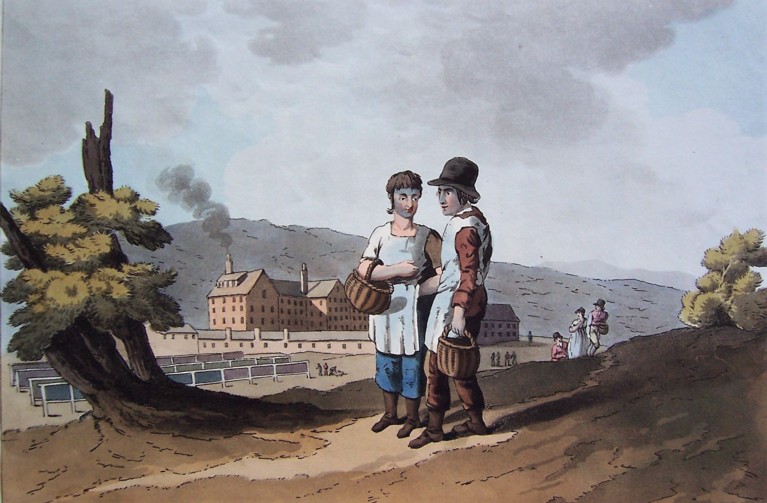
Plate 4. 'Factory Children', in Walker, 'Costume of Yorkshire'.
A number of books set out to record the townscape of Northern towns. A book devoted to uncoloured lithographs of Halifax depicts a number of quaint streets and half-timbered buildings, while recording that these have recently been demolished.
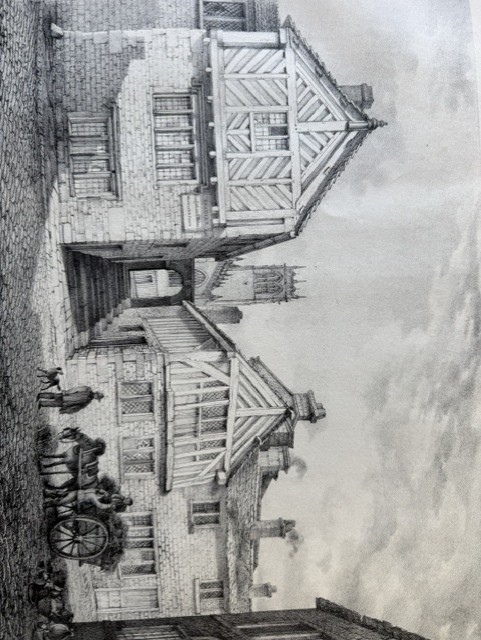
Plate 5. 'Old houses in Lower Kirkgate, taken down 1825', in John Horner, 'Buildings in the Town and Parish of Halifax' (Halifax, 1835).
Another early venture in lithography records the market place of the small Yorkshire town of Settle, depicted with locals going about their business.
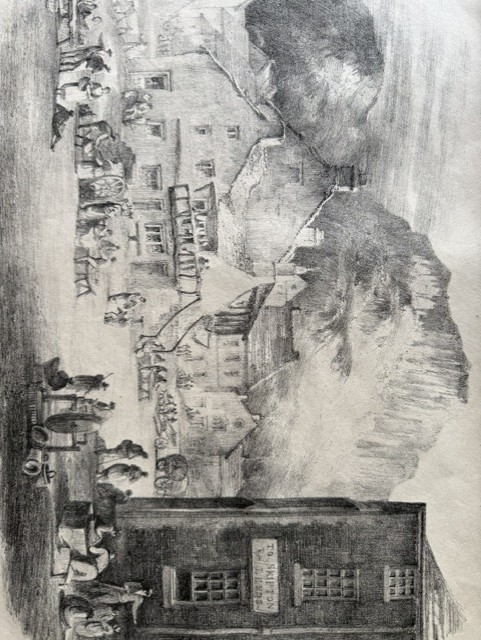
Plate 6. 'Settle, from the Market Place', in G. Nicholson, 'Six Views of Picturesque Scenery in Yorkshire' (Malton, 1822).
A book devoted to images of Carlisle sets out, in an elegiac spirit, to depict the place as it would have been a hundred years before and – while lamenting the demise of the town’s ancient guilds – includes a striking picture of their banners displayed in the street.
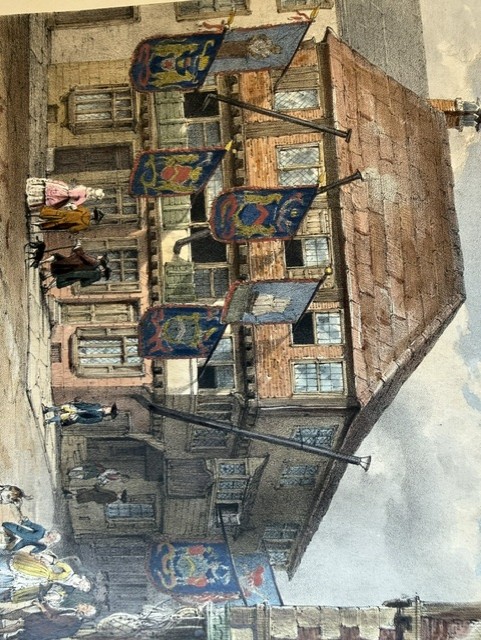
Plate 7. 'Trade Guilds', in M. E. Nutter, 'Carlisle in the Olden Time: A Series of Views of Ancient Public Buildings' (Carlisle, 1835).
The picturesque coastal position of Scarborough or Whitby enables the civic topographical impulse to place townscapes on record to be combined with something picturesque.
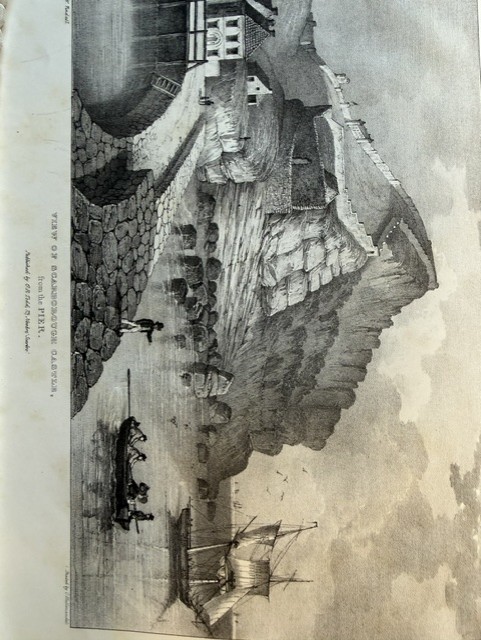
Plate 8. 'Views of Scarborough' (c.1828).
Indeed, the drama of a shipwreck on the coast near Scarborough can be one of the subjects included in a book assembled to exemplify how the work of contemporary water-colour artists can be made available to a wider audience through the colour-plate medium.
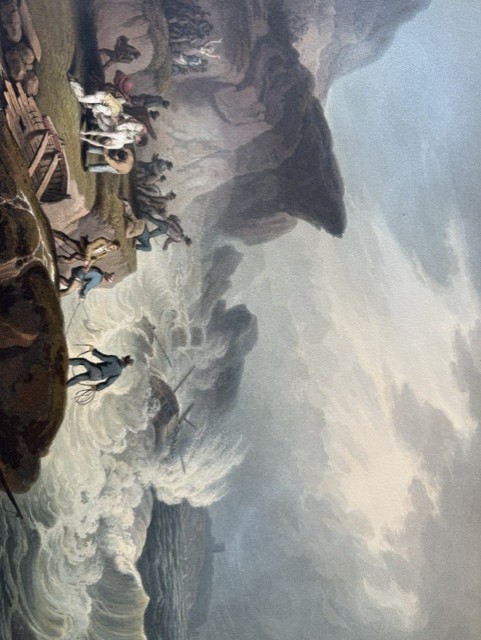
Plate 9. 'Shipwreck on the Black Rocks, near Scarborough', in 'A Selection of Fac-Similes of Water-Colour Drawings from the Works of the Most Distinguished British Artists' (London, 1825).
Another plate in the same book and by the same artist depicts what was a celebrated Northern beauty spot, the Dropping Well at Knaresborough in Yorkshire, where the water fell picturesquely in a kind of curtain of droplets, beautifully caught by both artist and printmaker.
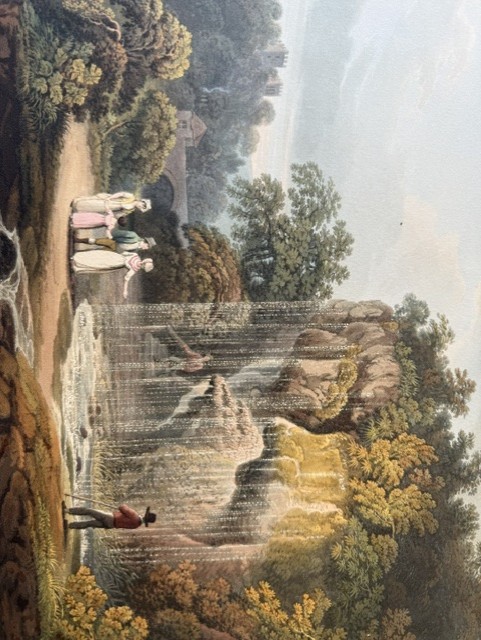
Plate 10. 'The Dropping Well at Knareborough', in 'A Selection of Fac-Similes'.
More dramatic is an attempt to capture in lithography the spectacular drop of the waterfall at Mallyan Spout on the North York Moors, published locally like many of these books on Northern subjects.
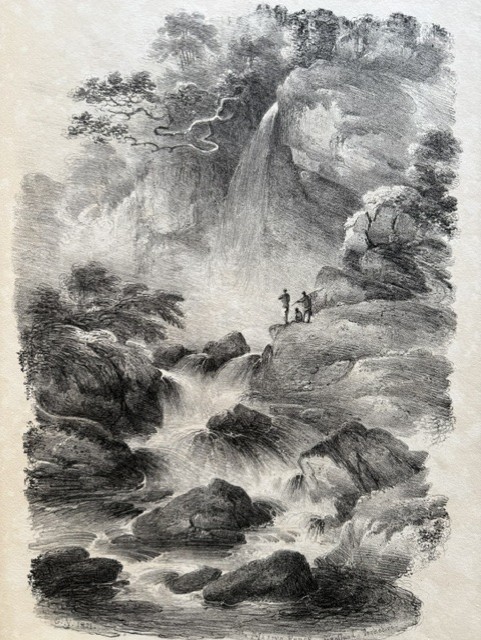
Plate 11. 'Maling Force' (now called Mallyan Spout), in G. Nicholson, 'Six Views of Picturesque Scenery in Goathland, Yorkshire' (Malton, 1821).
Meanwhile the sweeping upland landscapes of the North were joining the Lakes as objects of picturesque pilgrimage and as the subjects of illustration for armchair pilgrims. One example among many would be Bolton Abbey in Wharfedale, where romantic ruins might be one focus for far-reaching views. John Burkill is one artist who devotes an illustrated book to this landscape.
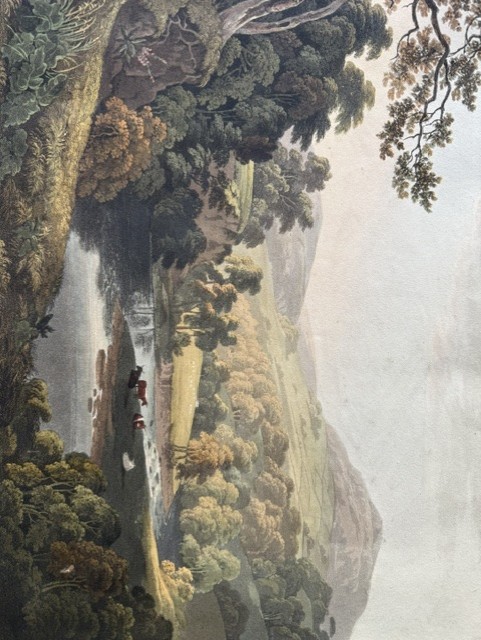
Plate 12. 'View of Barden Tower, near Bolton', in John Burkill, 'Bolton Illustrated: A Series of Views of the Scenery around Bolton Abbey' (London, 1848).
T. Hofland is another, recording scenes in normal daylight while also striving – as various contemporary artists did – to capture the mysterious effects of light at dusk which are so appropriate for the pensive contemplation of ruins in a landscape.
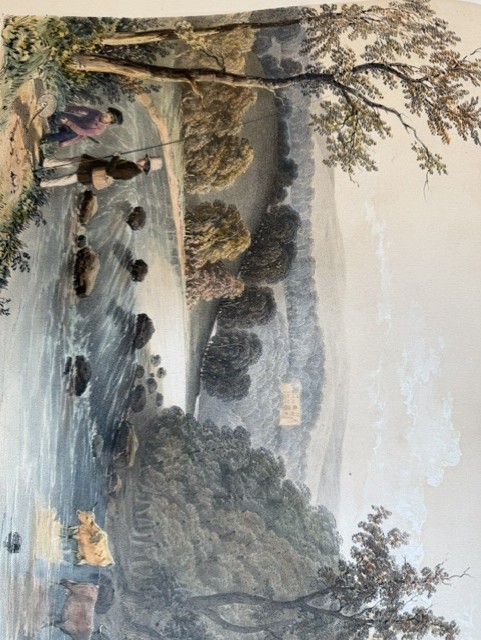
Plate 13. 'View of the Wharfe, near Bolton Priory', in T. C. Hofland, 'Six Views of Bolton Priory' (1811).
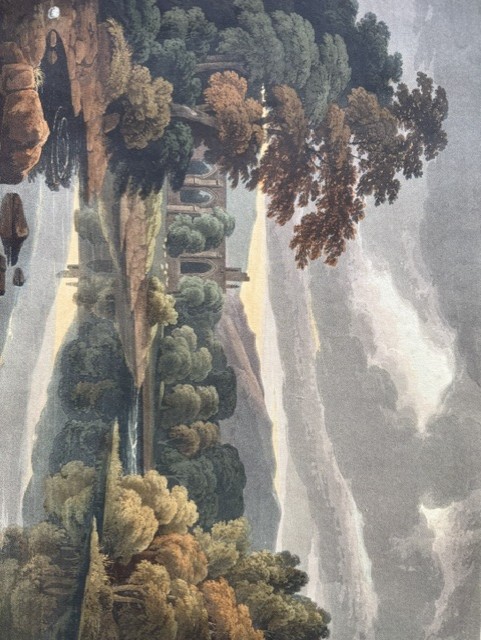
Plate 14. 'Bolton Priory, Twilight', in Hofland, 'Six Views'.
It is probably no accident that Emmanuel’s Graham Watson Collection is so rich in illustrations of the North of England, since their collector, Graham Watson, a patriotic Yorkshireman and Bradfordian, was both a great lover of all the Northern uplands and a public-spirited contributor to the civic life of the North.
Barry Windeatt (Keeper of Rare Books)